


A COFFEE ROASTERY READY FOR BETTER UI/UX
21 August, 2026A bakery can be just a place where people buy bread, or it can become part of a daily ritual — an amazing local experience and a place built around craftsmanship and emotion.
If you put it that way, the choice is obvious. Everyone would choose the second option, including the customers. Yet if we were to look at bakeries across any given country, most of them would probably be much closer to the first category than the second.
The difference lies in the approach. Here's how I'd turn an ordinary bakery into one people genuinely remember—and keep coming back to.
0. Understanding the Challenge (Business)
Nobody can effectively market something they do not understand.
Before even starting, beyond the details regarding the business history and previous marketing activities, I always look for the answers I need.
As a list — which is not exhaustive and can always be adapted, modified, or expanded — I am mainly interested in:
- The key products/services and those with potential;
- Potential products/services to be developed;
- What the competition is offering;
- Who the competitors are and which niche they operate in;
- The strengths, weaknesses, opportunities, and challenges of the business;
- The customers. Who they are, why they are customers, for how long they have been customers, how they became customers, what information we have about them, where it comes from, how and for how long we store it.

1. The Goal
Every beginning should have an objective. A S.M.A.R.T. objective.
Increase revenue by X%, grow the customer base by Y%, and improve customer retention by Z% within the next 12 months through a targeted marketing strategy.
Surprised? After everything you've read so far, you might have expected the goal to be something like creating better photos and videos for Instagram, Facebook, or other social media platforms, getting more shares, likes, and followers, or perhaps even turning the bakery into a well-known brand.
However, just because a bakery does not have all of these things, it does not mean it is not already a profitable business.
The objective should not be change for the sake of change, but rather improving what already exists.
2. The Strategy
A successful marketing strategy does not start by changing everything. It starts by understanding what already exists, identifying the strengths that can be amplified, and the weaknesses that can be improved.
The focus would be on building around the bakery’s unique qualities while creating solutions for the areas that limit its growth.
By aligning the brand identity, customer experience and communication, from the physical location and product presentation to online presence, the aim would be to highlight what makes the bakery unique and create a stronger connection between the brand and its customers.
The strategy would focus on three main directions:
- Build a Strong Local Brand Presence
A strong brand is not only about how a business looks, but also about how people perceive and remember it.
The focus would be on creating a clear identity that reflects the bakery’s values, products, and personality across every interaction with customers.
- Highlight What Makes the Bakery Different
The focus would be on building around the bakery’s unique qualities while creating solutions for the areas that limit its growth.
- Reward Loyalty
Creating reasons for people to come back would be one of my main focuses.
Understanding customers better and rewarding their loyalty through meaningful experiences, personalized communication, and initiatives that make them feel valued would contribute to steady growth.
By learning from customer interactions, preferences, and feedback, the bakery can continuously improve the way it engages with its customers and turn individual visits into long-term relationships.
3. The Execution
A strategy only becomes valuable when it is put into action.
The following examples show how I would translate the strategy into content, campaigns, and customer experiences.
I believe a marketer needs to be like a chameleon: able to adapt to different brands, understand their personality, and make that personality visible through their work. The writing style, visual direction, ideas, and the way they are communicated should feel natural to the brand they represent.
This particular case is an example of how I would approach a random bakery. The style and approach shown here are simply meant to illustrate my way of thinking and working.
Local SEO
★ What I would do
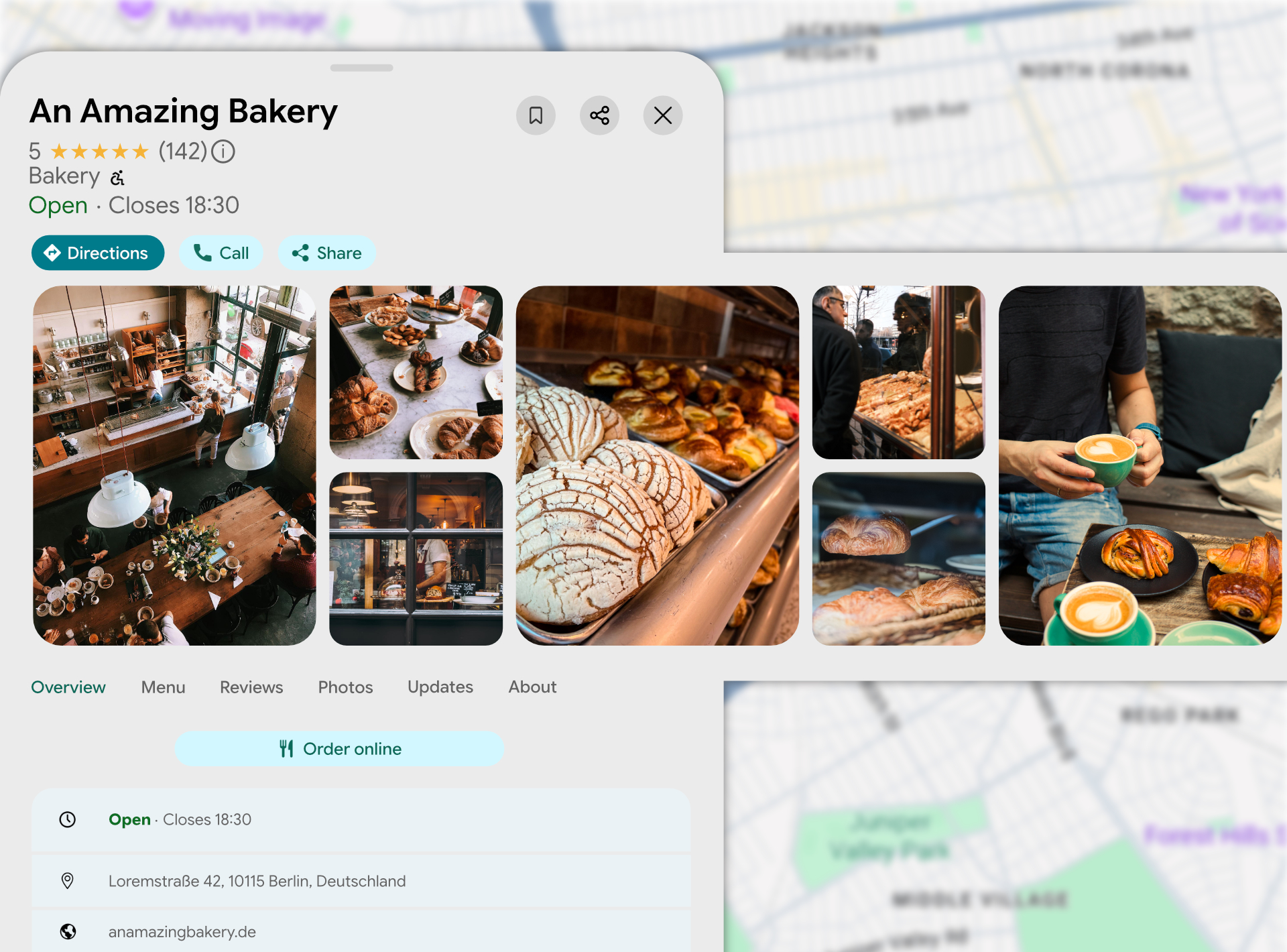
- ✓ Optimize the Google Business Profile with relevant categories, products, services, and a locally relevant business description;
- ✓ Build a local keyword strategy around products, location, and search intent;
- ✓ Publish regular Google Posts featuring products, seasonal offers, events, and updates;
- ✓ Develop a review strategy to encourage new reviews and maintain an active, trustworthy profile;
- ✓ Keep business information accurate and consistent across Google and other relevant local listings;
- ✓ Create location-focused content and landing pages to strengthen local search visibility;
- ✓ Monitor profile performance and customer actions to continuously improve visibility and conversions.
Social Media



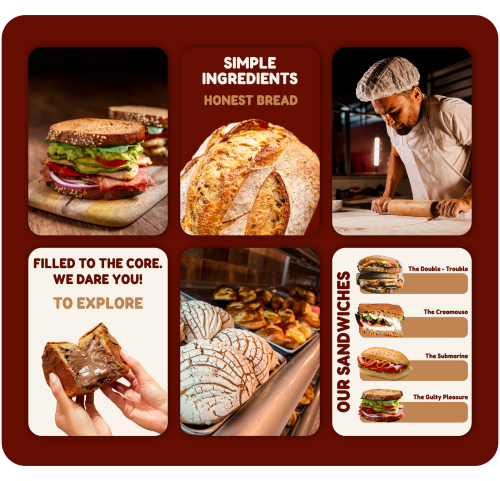
★ What I would do
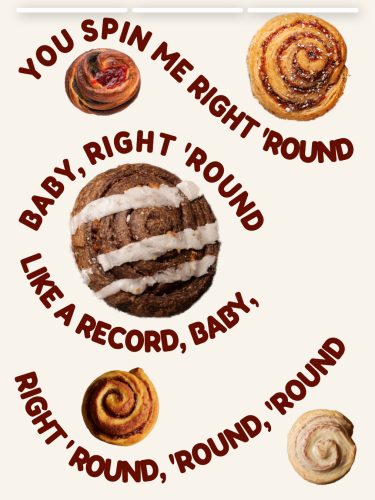
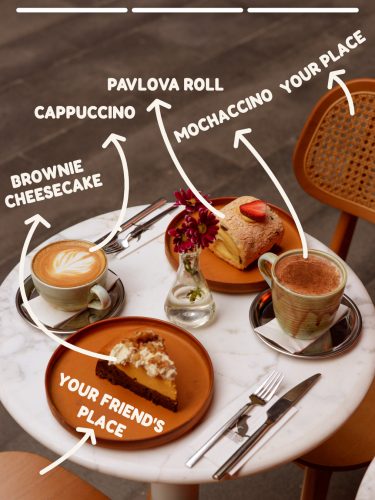
- ✓ Build a content strategy around the bakery’s products, craftsmanship, people, and everyday moments;
- ✓ Create a consistent visual style across Instagram, Facebook, Stories, Reels, and other relevant channels;
- ✓ Show more than the products by telling the stories behind the bakery, its people, and the craft;
- ✓ Use a mix of organic content, seasonal campaigns, offers, and community-focused posts;
- ✓ Create content designed to encourage saves, shares, visits, and conversations rather than chasing likes alone;
- ✓ Use paid social campaigns to support key products, seasonal moments, and business objectives;
- ✓ Monitor performance and use audience response to continuously refine the content strategy.
E-Mail Marketing
★ What I would do
- ✓ Build a permission-based email database and collect relevant customer preferences.
- ✓ Segment customers based on interests, purchase history, and engagement.
- ✓ Create automated email journeys for welcome, birthdays, loyalty rewards, and customer re-engagement.
- ✓ Plan campaigns around seasonal products, limited editions, holidays, and local events.
- ✓ Personalize content, recommendations, and offers based on customer preferences and behavior.
- ✓ Continuously optimize campaigns through A/B testing, performance analysis, and customer feedback.
- ✓ Measure opens, clicks, conversions, and repeat purchases to continuously improve customer retention.
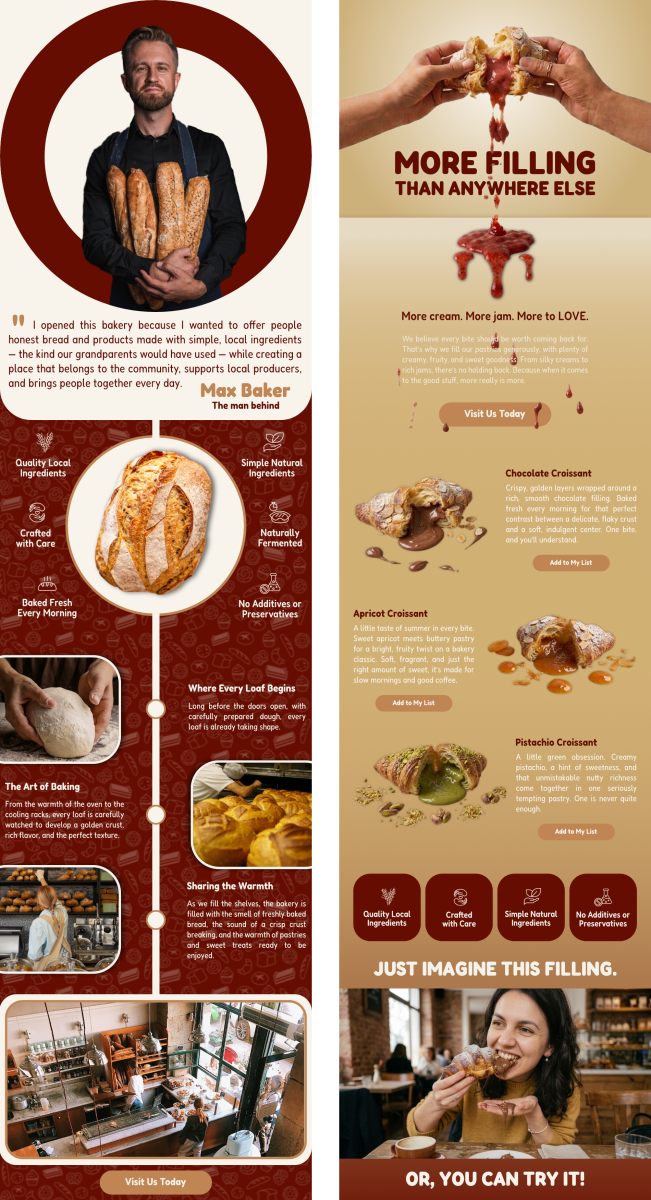
The Other Things
Beyond the main marketing directions, there are several other areas that can support the bakery’s growth and strengthen the overall strategy.
These activities would complement the core approach, helping increase visibility, improve the customer experience, and turn marketing efforts into measurable results.
Paid Advertising
- Google Ads for local searches and high-intent customers
- Meta campaigns for products, offers, and seasonal moments
- Retargeting people who have already interacted with the bakery
Content Strategy
- Build content around products, people, processes, and the bakery’s story
- Create recurring content themes instead of relying on random posts
- Adapt content to different stages of the customer journey
Website Optimization
- Improve product presentation and make key information easy to find
- Create clear paths from discovery to visiting, ordering, or contacting
- Optimize key pages for local search and conversions
Local Partnerships
- Collaborate with complementary local businesses and producers
- Create joint promotions, events, or cross-promotional content
- Build stronger connections within the local community
Analytics & Reporting
The first rule I learned in my first marketing job was simple: “Work and measure. Work and measure.”
Throughout my career, I have seen firsthand how important data is in marketing. It helps you understand what is working, what needs to be improved, and where there may be gaps in the strategy you started with.
No strategy is infallible. In marketing, you need to be able to make the small adjustments that are necessary along the way, much like tuning the frequency on an old radio. You do not always need to change the station — sometimes you simply need to turn the dial until the signal becomes clear.
That is how I see analytics: not as the final step of a campaign, but as an ongoing feedback loop that helps keep the strategy aligned with what is actually happening.
From a practical perspective, I would look at the numbers behind each marketing channel and connect them to actual business outcomes.
- For Local SEO, this could mean tracking searches, website visits, direction requests, calls, and other actions from Google Business Profile.
- For Social Media, I would look beyond likes and followers and focus on reach, engagement, profile visits, link clicks, and the content that generates the strongest response.
- For Email Marketing, I would monitor open rates, click-through rates, conversions, and repeat engagement to understand which messages and offers actually motivate customers to take action.
- For Paid Advertising, I would track impressions, clicks, cost per click, conversions, and return on ad spend to understand whether the budget is being used effectively.
The goal is not simply to collect numbers, but to turn them into decisions. When the data shows that something is not working, the next step is to understand why, make the adjustment, and measure again.